





Chevrolet Silverado Winter Towing and Work
Browse 4WD and AWD Silverado Inventory
Value Your Vehicle
Schedule a Test Drive
Call to Speak with a Specialist
| Sales | ||
| Day | Open | Closed |
| Monday | 9:00AM | 8:00PM |
| Tuesday | 9:00AM | 6:00PM |
| Wednesday | 9:00AM | 8:00PM |
| Thursday | 9:00AM | 6:00PM |
| Friday | 9:00AM | 6:00PM |
| Saturday | 9:00AM | 2:00PM |
| Sunday | Closed | Closed |
Chevrolet Silverado Winter Towing and Work Capability
Winter work in Southwest Michigan places very different demands on a truck than summer hauling. Cold temperatures, snow packed roads, reduced traction, and heavier rolling resistance all directly affect how power is delivered, how trailers behave, and how confidently a truck can stop and control load movement. The Chevrolet Silverado lineup is engineered with drivetrain systems, towing architecture, and cold weather focused technology designed to maintain control and stability when conditions are working against you.
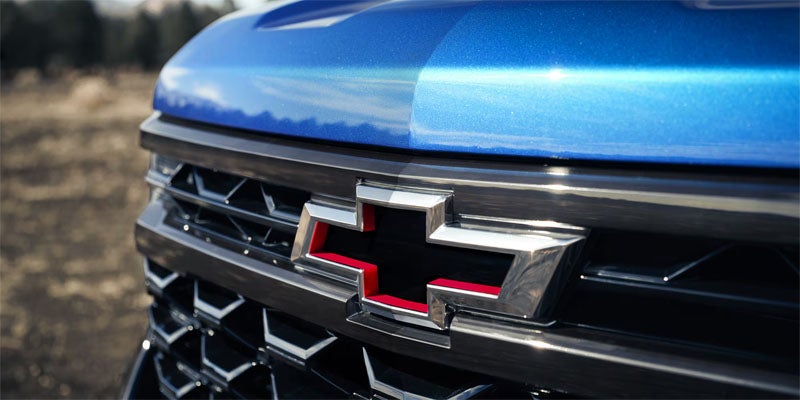
How Silverado Drivetrains Manage Traction While Towing
Traction is the foundation of safe winter towing. Silverado trucks use a combination of mechanical driveline components and electronic control systems to regulate torque delivery before wheel slip becomes a problem. Auto 4WD continuously monitors wheel speed and road surface behavior, automatically engaging the front axle when rear wheel slip is detected. This is especially important when towing on mixed conditions such as plowed pavement transitioning to snow covered side roads.
4WD High is designed for deeper snow, consistent ice, or loose packed surfaces where constant four wheel engagement improves forward motion and directional stability. When towing, maintaining consistent power delivery across all four wheels reduces trailer push during deceleration and improves control during gradual acceleration on slick surfaces.
Tow Haul Mode and Winter Transmission Control
Tow Haul mode does far more than adjust shift points. In winter conditions, it alters throttle mapping, transmission logic, and engine braking behavior to reduce sudden torque spikes that can break traction. Downshifts are managed more deliberately to help stabilize the truck and trailer combination when slowing on grades or approaching intersections.
When combined with integrated trailer brake control, the system synchronizes truck braking force with trailer braking response. This balance is critical in snow where uneven braking between truck and trailer can lead to sway or jackknife scenarios.
Silverado Engine Options and Cold Weather Torque Delivery
Cold weather towing places greater emphasis on low RPM torque and consistent power delivery. The available Duramax diesel engines are particularly effective in winter work applications because peak torque is delivered at lower engine speeds. This allows the truck to move heavy loads smoothly without aggressive throttle input, which helps preserve traction on slick surfaces.
Gas V8 options remain capable for winter towing as well, but benefit most from proper load management and Tow Haul engagement to maintain steady output when road grip is limited.
1500 vs 2500 HD vs 3500 HD for Winter Work
Silverado 1500 models are well suited for light to moderate winter towing, snow equipment, and daily work demands. Independent front suspension improves ride compliance on uneven winter roads while Auto 4WD enhances adaptability in changing conditions.
Silverado 2500 HD and 3500 HD models are built on heavy duty frames with increased cooling capacity, reinforced axles, and higher rated braking systems. These trucks are designed for sustained heavy towing in winter, including fifth wheel and gooseneck applications where trailer stability and braking authority become critical safety factors.
Trailering Technology and Visibility in Snow
Winter towing visibility challenges extend beyond reduced daylight. Snow buildup, spray, and road grime can quickly obscure traditional mirrors. Available trailer camera views and side blind zone alert systems extend driver awareness around long trailers and wide loads, reducing guesswork when changing lanes or maneuvering in low visibility conditions.
These systems work in conjunction with electronic stability control to detect trailer sway early and apply corrective braking before the driver feels loss of control.
Winter Setup Factors That Directly Impact Towing Safety
- Tires and inflation: Proper winter or high quality all season tires maintain contact patch integrity. Cold temperatures reduce air pressure, which directly affects load capacity and braking performance.
- Proper tongue weight: Maintaining approximately 10 to 15 percent tongue weight improves straight line stability and reduces trailer oscillation on slick surfaces.
- Drive mode selection: Auto 4WD for variable conditions and 4WD High for consistent snow improves power distribution when towing.
- Increased following distance: Additional mass increases stopping distance significantly on snow and ice.
Confidence for Real Winter Work in Southwest Michigan
Silverado trucks are engineered to perform when winter work cannot wait. From adaptive drivetrains and torque management to heavy duty braking systems and trailering visibility technology, each system is designed to work together under load. Choosing the right Silverado configuration for winter towing depends on trailer weight, frequency of use, and the type of roads you travel most often throughout the season.
(Note: This article focuses on providing valuable information and does not mention specific pricing. For more information about towing configurations, winter readiness, and available Silverado inventory, please reach out to our dealership.)